How the Paver Installation Process Works Step-by-Step
People searching for how the paver installation process works step-by-step are often looking to understand the project and find local contractors who can expertly handle each stage.
Understanding how the paver installation process works step-by-step can help property owners feel more confident when planning outdoor improvements. Whether preparing for a new patio, walkway, or driveway, knowing what to expect ensures the project progresses smoothly and meets expectations. This information is especially useful for those in the area who want to explore practical options for enhancing their property’s curb appeal and functionality, as local contractors offer expert guidance and quality craftsmanship throughout each stage of the installation.
As property owners explore their options, it’s beneficial to learn about the typical steps involved in paver installation and how experienced service providers handle each phase. From site preparation to final finishing touches, local contractors bring the skills needed to execute the process efficiently and effectively. Continuing to read can provide clarity on what to anticipate, making it easier to make informed decisions and connect with professionals who can bring your outdoor vision to life with precision and care.
- Driveway Paving - homeowners needing a durable and attractive driveway often rely on local contractors to prepare the site and install pavers following the proper steps.
- Patio Installation - when creating outdoor living spaces, service providers help clients understand the step-by-step process for laying pavers to ensure a stable surface.
- Walkway Construction - for walkways that require precise alignment and proper base preparation, local pros guide clients through each phase of the paver installation process.
- Pool Deck Paving - property owners seeking a slip-resistant and visually appealing pool area turn to local contractors familiar with the detailed steps involved.
- Landscape Pathways - those adding decorative pathways in their yard can connect with local service providers experienced in the step-by-step paver installation process.
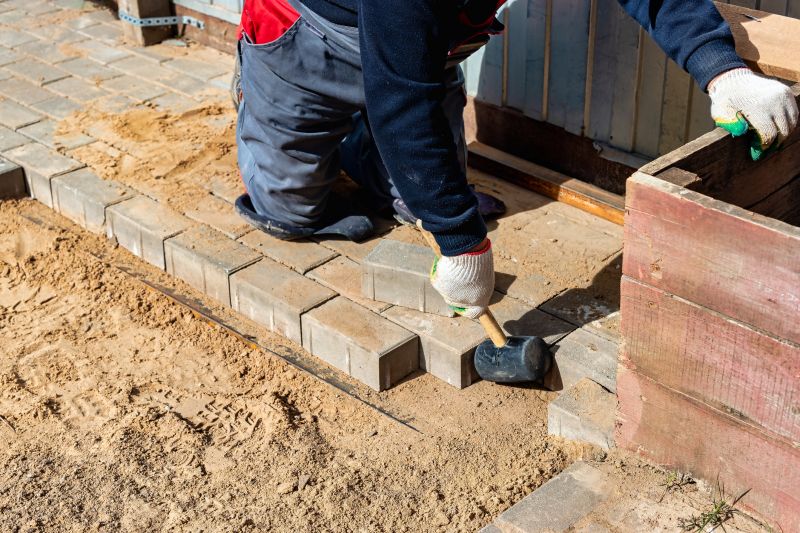
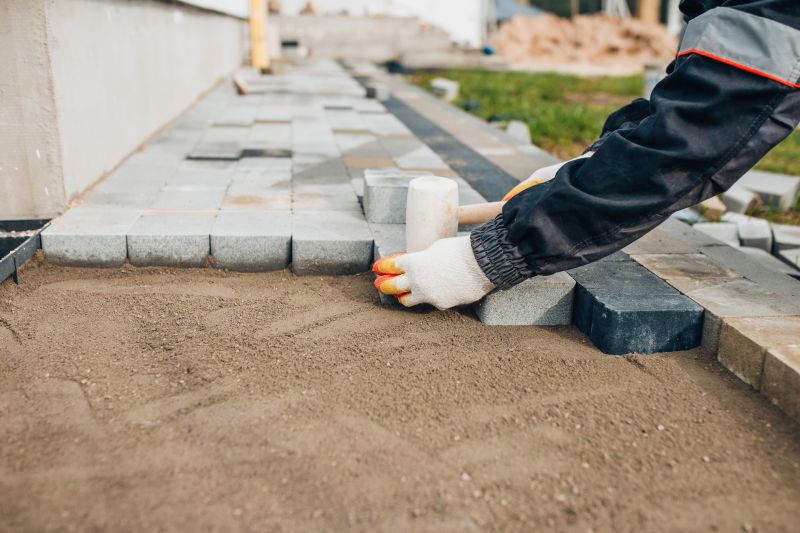
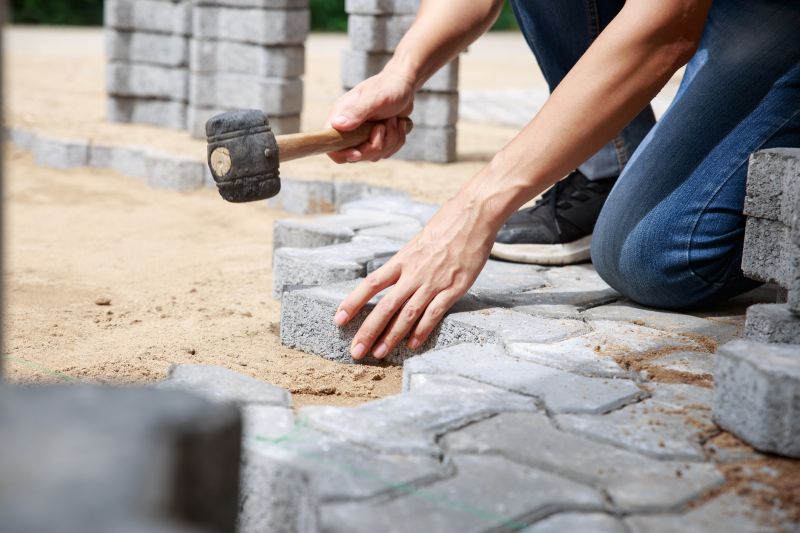
When homeowners search for how the paver installation process works step-by-step, they are often seeking a clear understanding of what to expect when planning a new outdoor surface. This topic typically relates to projects such as installing patios, walkways, driveways, or pool decks. Many property owners want to know about the different phases involved-from initial site preparation to the final finishing touches-so they can better coordinate with local contractors and ensure the work aligns with their vision. Understanding this process helps homeowners anticipate potential challenges, plan their outdoor upgrades effectively, and choose reputable service providers who can handle each step professionally.
The process is closely connected to various property plans and problem-solving needs. For example, a homeowner might be addressing issues with uneven or damaged surfaces, or they may be starting fresh to create a more functional outdoor living space. Paver installation can also be part of a larger landscape redesign, requiring careful planning to ensure the new surface complements existing features. These projects often involve considerations like drainage, soil stability, and aesthetic preferences. Local contractors experienced in paver installation are equipped to guide property owners through each stage, helping to troubleshoot potential issues early and ensure the finished surface is durable and visually appealing.
Properties that come up in discussions about paver installation typically include residential homes, especially those with yards or gardens, as well as commercial spaces like storefronts or community areas. Residential properties often feature patios, driveways, or walkways that enhance curb appeal and functionality. Commercial properties might require durable surfaces that can withstand heavy foot traffic or vehicle loads. The size and scope of these projects can vary widely, but the common factor is the need for a well-executed installation process. Local service providers are familiar with the specific requirements of different property types and can adapt their approach accordingly, ensuring the installation meets both aesthetic and practical needs.
Understanding how the paver installation process works step-by-step helps homeowners see how each phase connects to their property’s unique plans and challenges. From initial site assessment and excavation to base preparation, paver placement, and finishing, each step plays a vital role in creating a long-lasting surface. Local pros bring expertise to each phase, ensuring proper soil preparation, precise alignment, and quality craftsmanship. By knowing what to expect during the process, property owners can better evaluate proposals from different service providers and make informed decisions about their outdoor projects. This knowledge ultimately supports a smoother installation experience and a finished surface that enhances the property’s value and usability.
Landscape Design Projects - landscape design involves planning and preparing outdoor spaces, requiring similar skills in site assessment and material selection as paver installation services.
Patio Construction - building patios involves working with similar materials and techniques, making it comparable to paver installation processes.
Driveway Resurfacing - driveway resurfacing projects require surface preparation and precise layering, aligning closely with the steps in paver installation.
Walkway Installation - installing walkways involves planning and laying durable surfaces, often utilizing similar tools and techniques used in paver projects.
Retaining Wall Building - constructing retaining walls involves site preparation and foundational work that parallels the groundwork needed for paver installation.
Concrete Flatwork - flatwork projects involve surface preparation and leveling, skills that are directly applicable to the paver installation process.
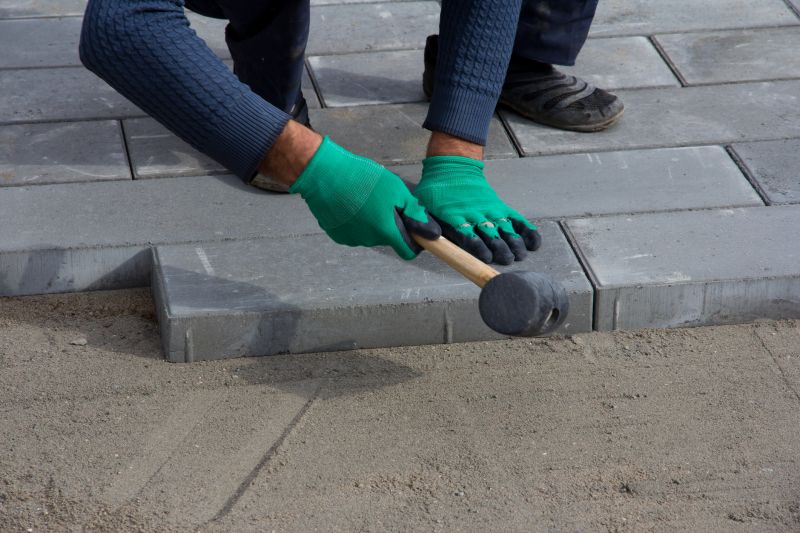
When comparing service providers for paver installation, it’s important to consider their experience with similar projects. Homeowners should look for local contractors who have a proven track record of successfully completing paver installations comparable to the scope and style of the desired project. An experienced provider will be familiar with the specific steps involved in the process, such as site preparation, base installation, and proper paving techniques, which can help ensure a smooth and efficient project. Asking for details about previous work or viewing portfolios can provide insight into their familiarity with different design styles and project sizes, helping homeowners determine which local pros have the relevant expertise.
Clear written expectations are essential when evaluating potential service providers. Reliable local contractors should be able to provide detailed descriptions of the paver installation process, outlining each stage from initial consultation to final inspection. This transparency helps homeowners understand what to expect at every step and ensures there are no surprises along the way. Well-documented plans and scope of work also serve as a foundation for effective communication, making it easier to address questions or adjustments during the project. Choosing a provider who emphasizes clarity and thoroughness in their written communication can lead to a more organized and satisfactory installation experience.
Reputable references and good communication are key factors in selecting the right local pros for paver installation. Service providers who can offer references from past clients demonstrate accountability and confidence in their work quality. Speaking with previous customers can reveal insights about the contractor’s reliability, professionalism, and ability to handle the nuances of the paver installation process. Additionally, effective communication throughout the project ensures that homeowners’ questions are answered promptly and that any concerns are addressed early. Contractors who prioritize clear, ongoing dialogue tend to foster a smoother working relationship, ultimately helping to achieve a successful and well-executed paver installation.
Property owners often search for how the paver installation process works step-by-step when they are planning practical projects around their homes and businesses. Local pros provide Paver Installation Process services for everyday jobs and straightforward project options.
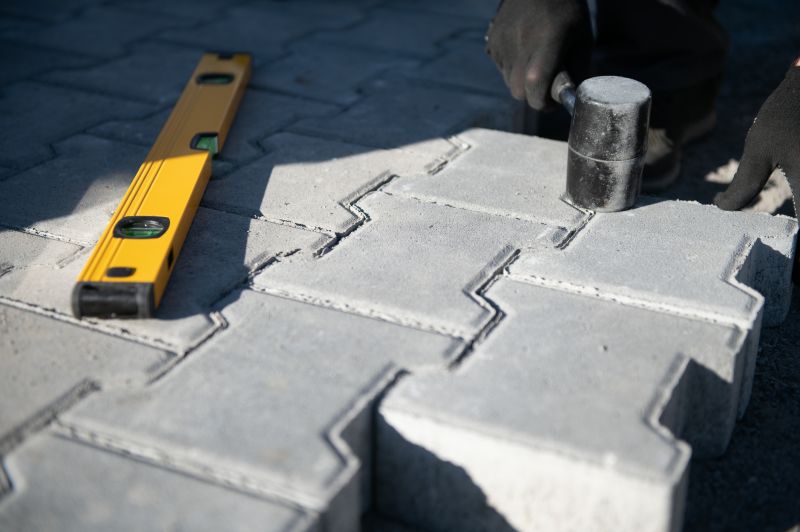
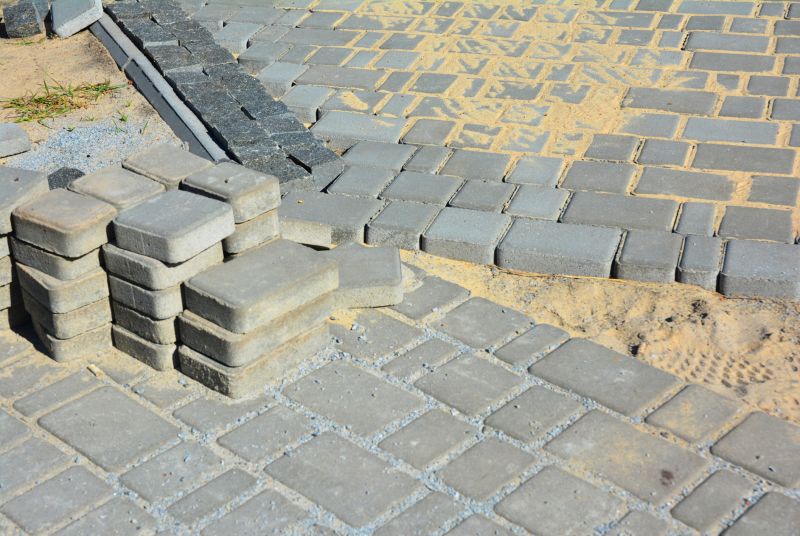
Understanding how the paver installation process works step-by-step can help property owners in the area plan their outdoor projects more effectively. Typically, local contractors begin by preparing the site, which involves removing existing surfaces and ensuring the ground is level. This initial stage is crucial to create a stable foundation for the pavers. Once the site is ready, the pros lay down a base layer of gravel or sand, which provides stability and proper drainage. After the base is in place, they carefully install the pavers in the desired pattern, making sure each piece is aligned and securely set. The process concludes with jointing and finishing touches, such as sweeping sand into the gaps to lock everything in place.
Many property owners seek out local service providers to handle this process because professional installation ensures a durable, attractive result that can withstand regular use. These experts understand the importance of proper site preparation, material handling, and finishing techniques. By working with local pros, property owners can trust that the job will be done efficiently and to a high standard, whether they’re creating a new patio, walkway, or driveway. Knowing how the process unfolds can give homeowners confidence in the steps involved and help them make informed decisions about their outdoor space projects.
What are the main steps involved in the paver installation process? The paver installation process typically includes site preparation, excavation, base installation, laying the pavers, and finishing touches. Local contractors follow these steps to ensure a durable and attractive result.
How do local service providers prepare the site for paver installation? Local pros start by clearing the area, removing existing materials if needed, and grading the surface to ensure proper drainage before laying the foundation.
What materials are used during the paver installation process? The process involves materials such as gravel or crushed stone for the base, sand for bedding, and the pavers themselves, along with edging and jointing sand for stability.
How do local contractors ensure the pavers are properly laid and level? Experienced service providers carefully lay the pavers in the desired pattern, using leveling tools and techniques to maintain evenness and proper alignment throughout the installation.
What steps are taken after the pavers are installed? After laying the pavers, local pros typically compact the surface, fill the joints with sand, and perform any necessary clean-up to complete the installation process.
Understanding site preparation - property owners can work with local contractors to clear and level the area, ensuring a stable foundation for paver installation.
Selecting materials and design - choosing the right paver styles and patterns helps property owners achieve their desired look for walkways or patios.
Learning installation techniques - knowing how local pros lay and secure pavers can assist property owners in planning for durability and aesthetics.
Final finishing touches - property owners can coordinate with service providers to add edge restraints and finishing details that enhance longevity and appearance.
If you are thinking about how the paver installation process works step-by-step for a property, this guide is meant to help you understand this topic, the typical project types, and how different options might fit your plans.
When you are ready, you can use the quote form on this page to share a few details about your project. From there, local pros can review the basics and follow up with options that match what you have in mind.